
New TARIC codes separate reinforcing bars from merchant bars after 250% import surge exposes chemical composition workaround
April 10th, 2026 – A new Implementing Regulation ((EU) 2026/846) amends the EU steel safeguard measure ((EU)2019/159), by creating two new TARIC codes that separate reinforcing bars from merchant bars within the existing category stucture. This amendment is a targeted anti-circumvention intervention, not a broadening of the safeguard’s scope, or a change to quota volumes.
The steel safeguard, in force since 2019 and due to expire on 30th June 2026, covers 26 product categories under a tariff rate quota system, with imports within quota being duty-free, and a 25% duty applying only to volumes exceeding this threshold. From now on, product category 13 covers reinforcing bars (rebar), while product category 12 covers merchant bars and light sections.
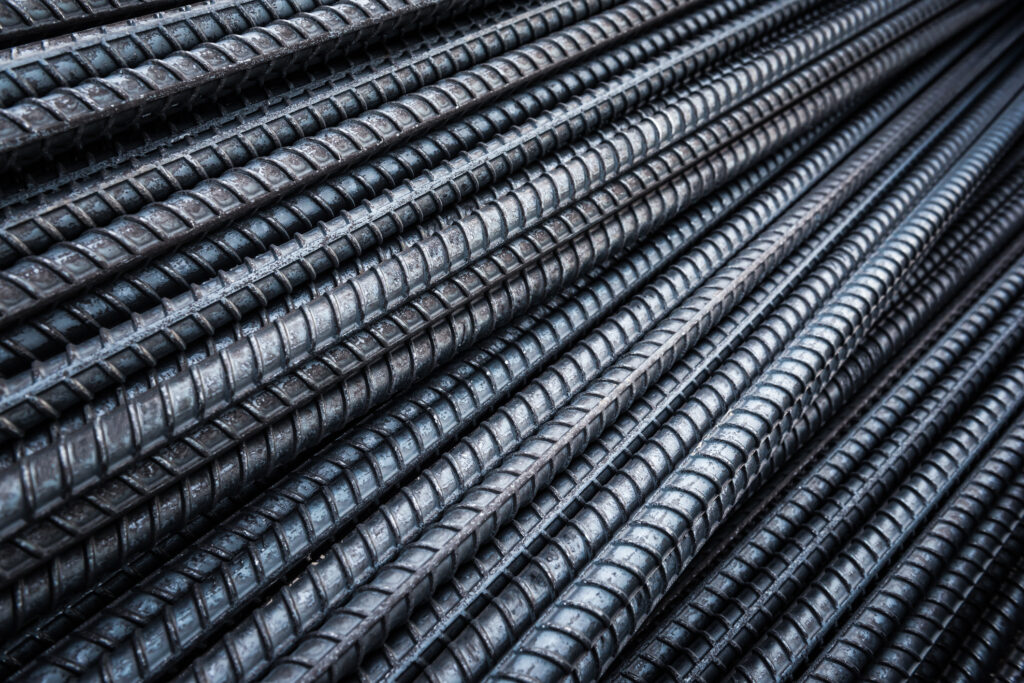
The Commission identified that from 2025, significant volumes of what are functionally reinforcing bars were being imported under the calssification of a merchant bar code, CN 7228 30 69, rather than under the rebar category. The mechanism in question to circunvent the measures was to slightly modify the chemical composition of the steel to shift the product’s tariff classification, from that of “‘unalloyed steel bars” to “alloy steel bars”. The Commission found no economic or commercial justification for this compositional change other than accessing quota headroom in the merchant bar category, with imports imports under CN 7228 30 69 increasing approximately 250% in 2025, compared to the previous year, with the additional volumes representing around 35% of the total annual rebar quota in category 13.
To fix this, the Commission has implemented a new TARIC subdivision created specifically for bars and rods with ribs, cordons, grooves or other deformations, which are functional rebar characteristics regardless of alloy classifications. The amendment takes effect as of April 11th, 2026.
