
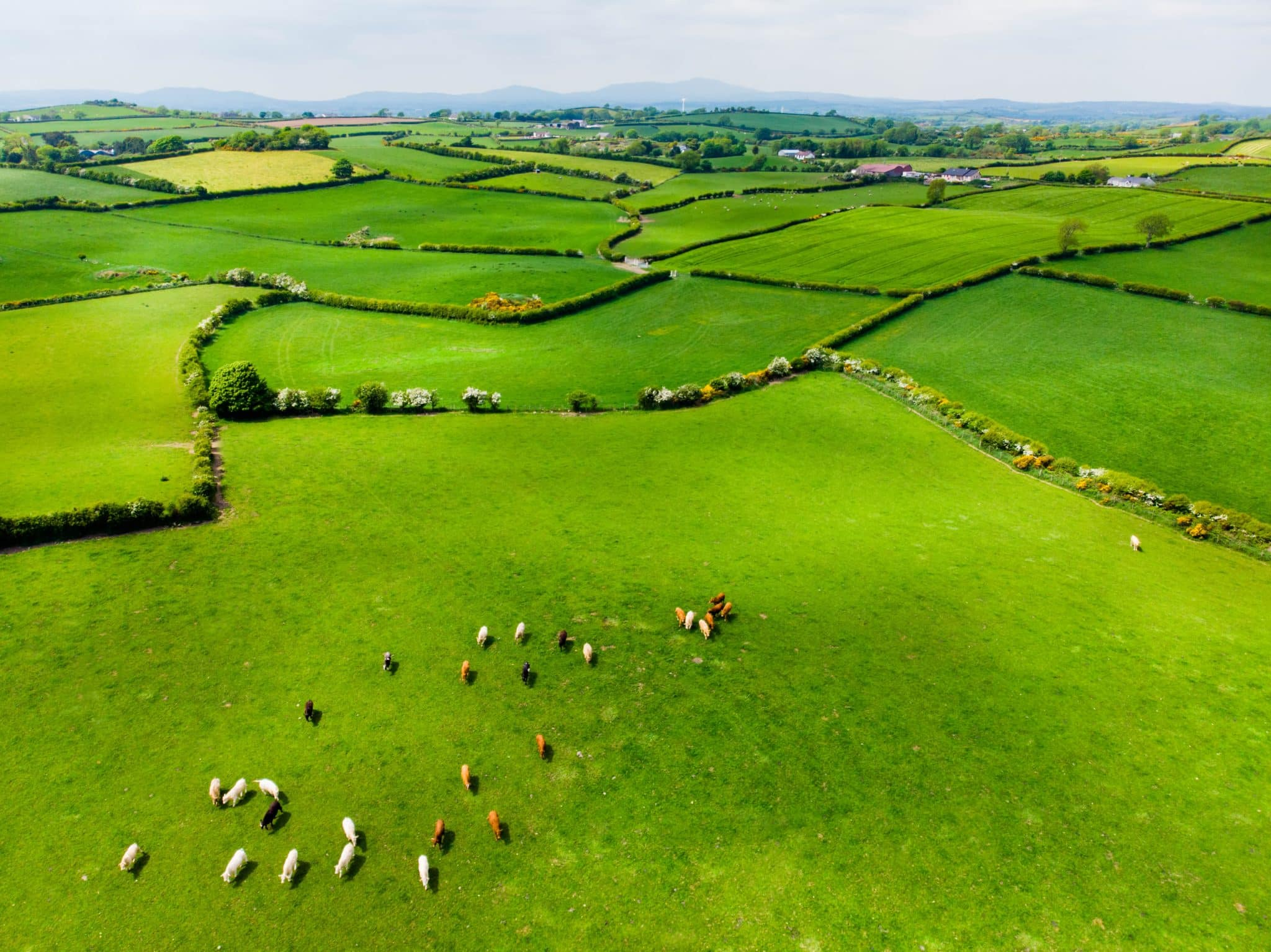
Commission Implementing Decision (EU) 2026/67 renews Ireland’s exemptions under the Nitrates Directive, but under tougher conditions.
January 6, 2026 – Today the Commission has officially published this Implementing Decision , which ammends Commission Implementing Decision (EU) 2022/696, that granted Ireland a derogation from the standard nitrogen application limit under the Nitrates Directive (Council Directive 91/676/EEC).
The Nitrate Directive, which sets a baseline standard limit of 170 kg of nitrogen per hectare per year from livestock manure, allowed Ireland to exceed this limit to up to 250 kg per hectare per year (as per Implementing Decision 2022/696) presuming at least 80% of the farm was under grass. That being said, it had been reduced to 220 kg in zones draining to polluted or at-risk waters since January 2024.
The 2022 decision that allowed this was due to expire on December 31st, 2025, however, through the Decision approved today, the existing framework has been expanded to 31st December, 2028, subject to additional conditions, such as:
- The Irish authorities must complete the environmental assessments required under the Habitats Directive (92/43/EEC) and the Water Framework Directive (2000/60/EC) by the end of 2028, taking into account the CJEU’s ruling in C-531/24 once it has been delivered.
- From 2026 onwards, dairy farms with dispersed land holdings must ensure slurry is spread beyond the milking platform, or face a reduced chemical fertiliser allowance.
- By October 2028, all dairy farms must increase slurry and dirty water storage capacity to reflect upon the updated production data, with the current regulatory values presumd to underestimate current production by 21% for slurry and 43% for dirty water.
- From 2028, farms in catchments with persistent nitration reduction challenges (namely the Barrow, Slaney, Nore, and Blackwater river basins) face a further 5% reduction in chemical fertiliser allowances and wider buffer zones along watercourses (4 meters for chemical fertiliser allowances and wider buffer zones along watercourses).
- There are new requirements on nutrient balance calculation, grass measurement recording, hedge management, and concentrated feed protein content (max. 14% crude protein in concentrate feed for dairy cows at grass between April and October).
This extension nevertheless remains framed as a provisional measure pending the outcome of a preliminary ruling before the CJEU (Case C-531/24, An Taisce), which raises questions about the legal basis on which exemptions such as this one may be granted. On this end, it is notable that the Decision explicitly acknowledges its own legal fragility, with the Commission choosing to extend the existing framework rather than grant a new derogation precisely because the legal requirement for a new derogation cannot be met pending the Court’s guidance.
